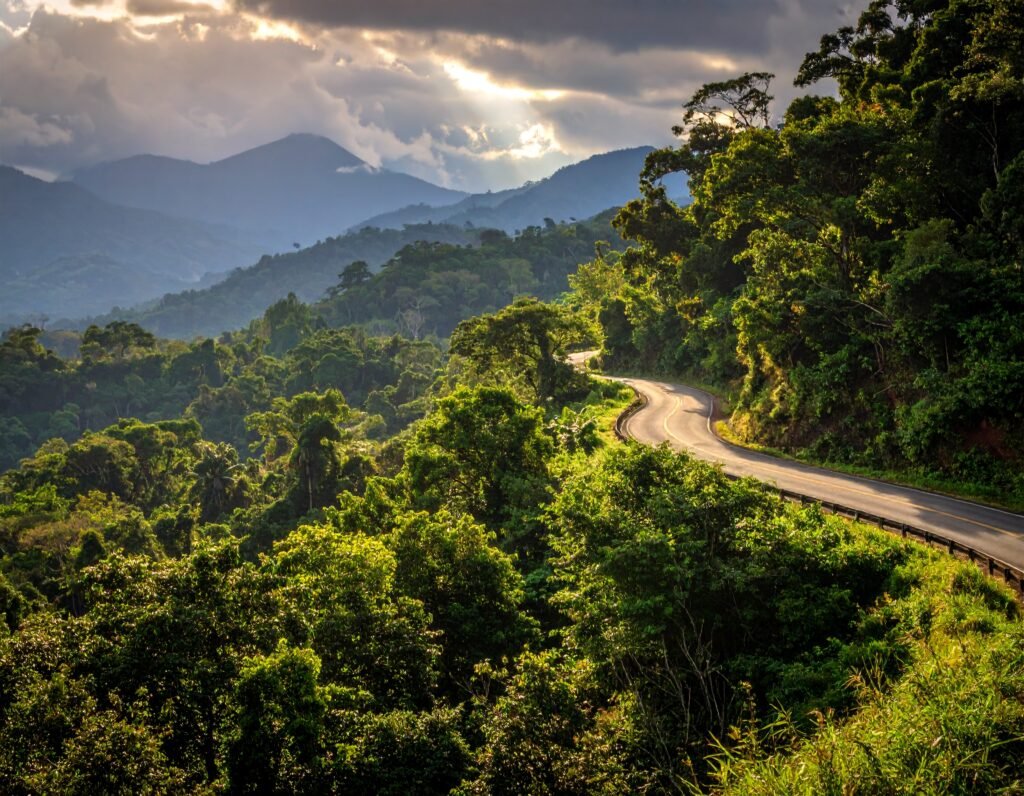
Driving in Costa Rica offers unparalleled freedom to discover hidden beaches, lush rainforests, and charming towns at your own pace. However, navigating the country’s roads requires understanding local driving laws, road conditions, and cultural nuances. This guide provides essential information to ensure a safe and enjoyable experience when driving in Costa Rica.
Legal Requirements for Driving in Costa Rica
To legally drive in Costa Rica, you must carry:
- A valid driver’s license from your home country.
- Your original passport with a valid tourist stamp.
Tourists can drive for up to 90 days from their entry date. If your stay exceeds this period, you must obtain a Costa Rican driver’s license or exit and re-enter the country to reset the 90-day period.
The legal driving age is 18, but rental car companies often require drivers to be at least 21 or 25, depending on their policies.
Understanding Costa Rican Road Signs
Costa Rican road signs are primarily in Spanish but follow international symbols. Common signs include:
- Alto: Stop
- Ceda el paso: Yield
- Velocidad máxima: Maximum speed
- Puente angosto: Narrow bridge
- Curvas peligrosas adelante: Dangerous curves ahead
- No estacionar: No parking
Familiarizing yourself with these signs can enhance your driving confidence. See full list of signs on Wikipedia.
Speed Limits and Traffic Laws
Speed limits in Costa Rica are posted in kilometers per hour (km/h):
- Urban areas: 40 km/h (25 mph)
- Rural roads: 60–80 km/h (37–50 mph)
- Highways: 80–100 km/h (50–62 mph)
Exceeding 120 km/h (74.5 mph) is considered a felony offense.
Additional traffic laws include:
- Seatbelts: Mandatory for all occupants.
- Child Safety: Children under 12 must use appropriate car seats or booster seats.
- Alcohol Limit: The legal blood alcohol content (BAC) limit is 0.05%. For drivers under 21 or with less than three years of experience, the limit is 0.02%.
- Mobile Phones: Using a mobile phone while driving is prohibited unless using a hands-free device.
Road Conditions and Driving Challenges
Costa Rica’s diverse terrain means road conditions can vary significantly:
- Paved Highways: Main routes between major cities are generally well-maintained.
- Rural Roads: Expect unpaved roads, potholes, and narrow passages, especially in mountainous or remote areas.
- Weather Impact: Heavy rains can cause landslides or washouts, making some roads impassable.

A 4×4 vehicle with high ground clearance is recommended for exploring off-the-beaten-path destinations. Always check local road conditions before embarking on your journey.
What to Expect When Driving in Costa Rica
Driving in Costa Rica can be an adventure in itself. While main highways are generally well-maintained, many secondary roads are unpaved and can be challenging, especially during the rainy season. Expect narrow roads, sharp curves, and occasional potholes. Traffic signs are in Spanish, and road markings may be faded or absent in rural areas. Be prepared for unexpected obstacles like animals crossing the road or sudden changes in weather conditions.
Do You Need a 4×4 Vehicle in Costa Rica?
Whether you need a 4×4 vehicle depends on your travel itinerary. For popular tourist destinations accessible via main roads, a standard car may suffice. However, if you plan to explore remote areas, mountainous regions, or beaches with unpaved access roads, a 4×4 is highly recommended. A vehicle with higher clearance can provide added comfort and safety on uneven terrains.
Driving in Costa Rica at Night
Driving at night in Costa Rica is generally discouraged, especially for those unfamiliar with the roads. Many rural roads lack street lighting, and visibility can be further reduced by rain or fog. Additionally, road signs and markings may be difficult to see in the dark. Wildlife and pedestrians can also be harder to spot. If you must drive at night, exercise extreme caution and reduce your speed.
How Car Rental Insurance Works When Driving in Costa Rica
Car rental insurance in Costa Rica can be complex. By law, all drivers are required to have liability insurance, which covers damages to third parties. This mandatory insurance is often not included in the initial rental quote, so it’s essential to confirm the total cost beforehand. Additional coverage options, such as collision damage waivers, may be offered by rental companies or credit card providers. Be sure to understand the terms and conditions of any insurance policy before signing the rental agreement.
If you plan to use credit card insurance, it is critical to obtain a letter from your credit card company that includes your name, the last four digits of your card number, and the coverage limits. Without this letter, the rental agency may refuse to accept your credit card insurance and require you to purchase their own coverage, which could also invalidate your card’s protection. Always decline additional insurance if you are using credit card insurance.
Toll Roads in Costa Rica
Costa Rica has several toll roads, primarily around San José and on major highways like Route 27. Toll fees are generally affordable, ranging from ₡200 to ₡1,000 (approximately $0.40 to $2) per stop. It’s advisable to carry small denominations in Costa Rican colones or US dollars, as some toll booths may not accept large bills or credit cards.
Gas Stations in Costa Rica
Gas stations, known locally as “servicentros,” are full-service in Costa Rica. An attendant will pump the gas for you, so there’s no need to leave your vehicle. Ensure the pump is set to zero before fueling begins, and verify the total amount before making payment. Most stations accept both cash and credit cards, but it’s prudent to carry some cash, especially when traveling in remote areas.
Alternatives to Driving in Costa Rica: Shuttles and ATVs
If you prefer not to drive, Costa Rica offers various alternative transportation options:
- Shuttle Services: Shared and private shuttles are widely available, connecting major tourist destinations. They offer a convenient and comfortable way to travel without the stress of navigating unfamiliar roads.
- ATV Rentals: In beach towns and rural areas, ATVs are a popular mode of transport. They provide flexibility to explore off-the-beaten-path locations but require caution and adherence to safety regulations.
Choosing the right transportation depends on your itinerary, comfort level, and desire for independence.
Tips for a Safe Driving Experience
- Plan Ahead: Use GPS or reliable maps. Waze is a popular choice among locals and tourists. It provides real-time traffic updates and can help avoid unexpected road closures. Be sure to download offline maps before traveling into rural or remote areas where cell service may be limited.
- Fuel Up: Gas stations may be sparse in rural regions; refuel when you have the chance.
- Drive Defensively: Be cautious of unexpected obstacles, such as animals crossing or sudden road changes.
- Avoid Night Driving: Limited street lighting and road hazards make night driving risky.
Final Thoughts on Driving in Costa Rica
Embarking on a journey through Costa Rica by car offers an unparalleled opportunity to explore the country’s diverse landscapes, from pristine beaches to lush rainforests and charming towns. However, it’s essential to be well-prepared and informed about local driving laws, road conditions, and cultural nuances to ensure a safe and enjoyable experience.
Whether you choose to navigate the roads yourself or opt for alternative transportation methods, understanding the intricacies of driving in Costa Rica will enhance your travel experience and allow you to fully immerse yourself in the country’s natural beauty and vibrant culture.
You can read more about our Adventures in Costa Rica Here or Learn how to do Costa Rica on a Budget with Miles and Points